What Note Taking Looks Like on an Ordinary Day
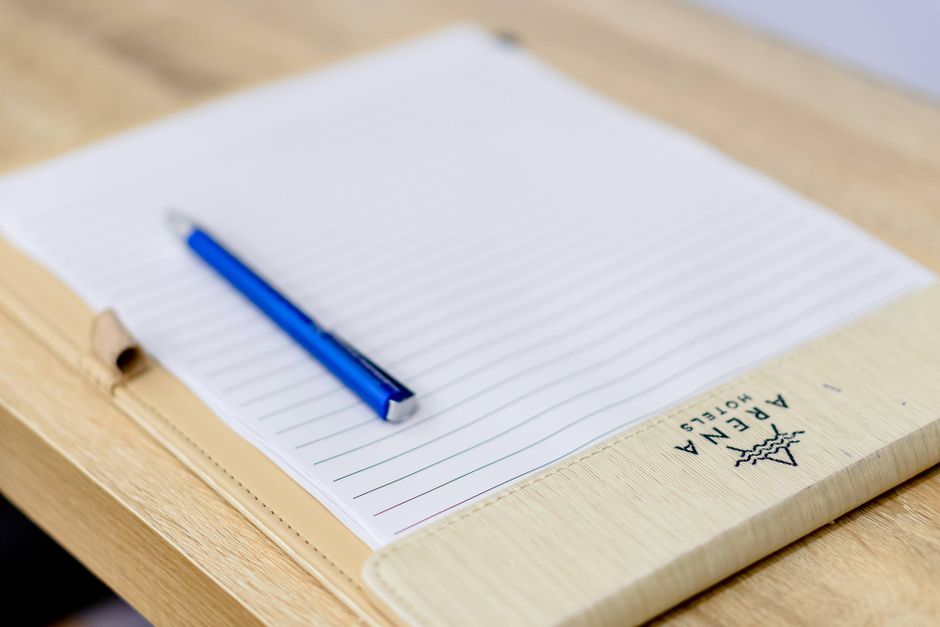
At the desk, the clock ticks down the minutes before the next obligation pulls you away. Notes are spread out, a pen lies ready, and the browser window is open to a bookmarked resource, but the task feels fuzzy. The phone, always within reach, buzzes with notifications, threatening to disrupt your focus. This moment, when you attempt to re-enter your notes after a gap, is where many adults stumble.
As you glance at the page, the words blur together, and the initial excitement of learning dissipates. Without a clear restart marker, it’s easy to lose momentum. You might skip the crucial step of reviewing what you last covered, leaving you grasping at straws to remember where you left off. This lack of a defined entry point not only wastes precious time but also heightens frustration.
The Routine You Expect: A Study Block in Motion
Your notebook lies open, filled with neatly organized notes from previous sessions, while a pen is poised nearby, ready for action. The browser is already pulled up to a bookmarked page, but the phone, just inches away, buzzes with the allure of distraction. This moment, when you’re trying to dive back into your notes, can easily slip away if you don’t establish a clear starting point. Without a defined restart marker, the task feels daunting, and the excitement of learning fades into the background.
To regain focus, take a moment to mark your restart point in the notes. Quickly scan the last few lines you wrote, letting the context wash over you. This simple action creates a mental bridge back to where you left off, making the transition smoother. As you jot down a few keywords or a quick summary in the margin, you set the stage for your practice block. However, if you skip this step, the session may devolve into a frustrating scramble, leaving you feeling unprepared and scattered, especially with the phone still within reach, ready to pull you away again. The First Miss: When Clarity Fades The notebook lies open on the desk, but the task ahead feels fuzzy and directionless. Without a defined re-entry point, it’s easy to lose momentum. You glance at the browser bookmarks bar, where a few tabs are still open, each vying for your attention. The phone sits nearby, a constant temptation, ready to pull you into a different world.
You might have forgotten to jot down the last point you covered or to highlight a key concept in the margins. This small oversight can lead to a frustrating scramble as you try to remember where you left off. Instead of diving back in, you find yourself scrolling through your notes aimlessly, searching for clarity.
To counter this drift, take a moment to mark your restart point. Grab your pen and write a brief summary of what you remember from the last session at the top of the page. This one action transforms your notes from a jumble of thoughts into a structured entry point. It helps bridge the gap between your previous learning and your current practice block, allowing you to refocus your energy on the material rather than getting lost in confusion.
Why It Happens: The Cycle of Distraction
The desk is cluttered with papers, a half-empty coffee cup, and a notebook that seems to have morphed into a collection of random thoughts. The phone, ever-present and within arm's reach, buzzes with notifications, pulling your attention away from the task at hand. You sit down with the intention of diving back into your notes, but instead, you find yourself scrolling through social media, losing precious minutes that could have been spent reinforcing what you learned.
In this moment, the hidden cause of distraction often lies in a lack of structure. When you open your notebook, the last entry feels fuzzy, and the browser bookmarks filled with various tabs only add to the confusion. To combat this, it’s essential to establish a clear restart point. This simple act not only clarifies your focus but also creates a visual anchor, making it easier to transition back into your learning. A Simple Correction: Marking Your Restart Point Returning to your notes after a gap can feel like navigating through fog. The last entry you made is often unclear, and the browser bookmarks filled with tabs offer no real guidance. When you sit down at your desk, notes spread out and a pen in hand, take a moment to mark the last point you worked on. Write a brief note or a keyword at the top of the page to serve as your restart point. This small action creates a visual cue that helps clarify your focus and reduces the time spent reorienting yourself.
- Use a pen to mark the last note you worked on.
- Set a timer for 25 minutes to create a focused study block.
- Check your phone and close unnecessary tabs to minimize distractions.
By marking that restart point, you’re not just making a note; you’re actively setting the stage for a productive session. This structured approach transforms your desk into a focused learning space, allowing you to make the most of those precious minutes after work or before bed.
This same friction shows up again in Learning New Skills As, especially when the day tightens unexpectedly.
What to Check: Preventing Future Drift
After a busy day, the desk is often cluttered with notes and a half-empty glass of water. This simple act minimizes the temptation to check notifications, which can easily derail your focus. Instead, place your notebook front and center, open to the last page you worked on, where you’ve marked your restart point with a keyword. This visual cue will help you dive back into the material without wasting time.
Before you start your timer for a focused 25-minute practice block, take a moment to assess your environment. Make sure to have a full glass of water nearby to reduce the need for breaks during your session. This setup not only keeps you hydrated but also encourages you to stay seated and engaged with your notes. By establishing these small checks—removing distractions and preparing your materials—you create a structured learning atmosphere. This attention to detail can significantly enhance your ability to concentrate, especially when time is limited after work or before bed.
What Changes Once That Fix Repeats
If this pattern keeps repeating, Practical Life Skills Us extends the idea without leaving the niche.
When you consistently mark your restart point in your notebook, each return to studying feels less daunting. Instead of flipping through pages or scrolling aimlessly through your notes, you can immediately see where you left off. Each time you sit down at your desk, your notes are already open to that marked page, eliminating the friction of trying to remember what you were working on.
During your next practice block, you’ll notice a significant difference. Instead of spending the first few minutes reorienting yourself, you can jump straight into reviewing key concepts or practicing problems. This setup allows you to engage with the material more deeply, making the most of those short bursts of focus. Each session builds on the last, reinforcing your learning and making it easier to stay on track.
You’ll find that your confidence grows, and the task feels less overwhelming. The phone, while still within reach, becomes less of a distraction because your attention is anchored on the notes in front of you.
Instead of letting it pull your attention away, take a moment to mark your restart point in your notebook. This simple act not only anchors your thoughts but also provides a clear visual cue of where to dive back in. When you see that marked spot, it signals your brain to refocus on the material at hand, reducing the time spent feeling lost.
Consider keeping a timer nearby to help structure your practice blocks. Set it for 25 minutes, and as you work through your notes, glance at it occasionally to maintain your momentum. This way, even if your phone is within reach, the structured timing and your marked restart point can help you stay aligned with your learning goals.