The Setup Shift That Makes Review Habit Easier to Repeat

The timer is set for thirty minutes, a brief window to review and practice new skills. However, the first ten minutes slip away in a frustrating search for the right page, flipping through notes that are disorganized and not easily accessible. The phone, resting just within reach, becomes a tempting distraction, pulling attention away from the task at hand.
This familiar scene highlights a common friction point: the struggle to transition from a busy day into focused learning. Without a clear setup, the initial moments are often wasted on finding materials instead of engaging with the content. A simple adjustment, like opening the notebook to the correct page before starting the session, can create a smoother entry into focused practice.
The First Step That Gets Skipped
I sit down with the intention of reviewing my notes, but the first step often trips me up: I forget to gather my materials ahead of time. Instead of diving into the content, I find myself fumbling through stacks of papers, searching for the right notebook. The first ten minutes vanish as I flip through disorganized pages, trying to locate the one I need.
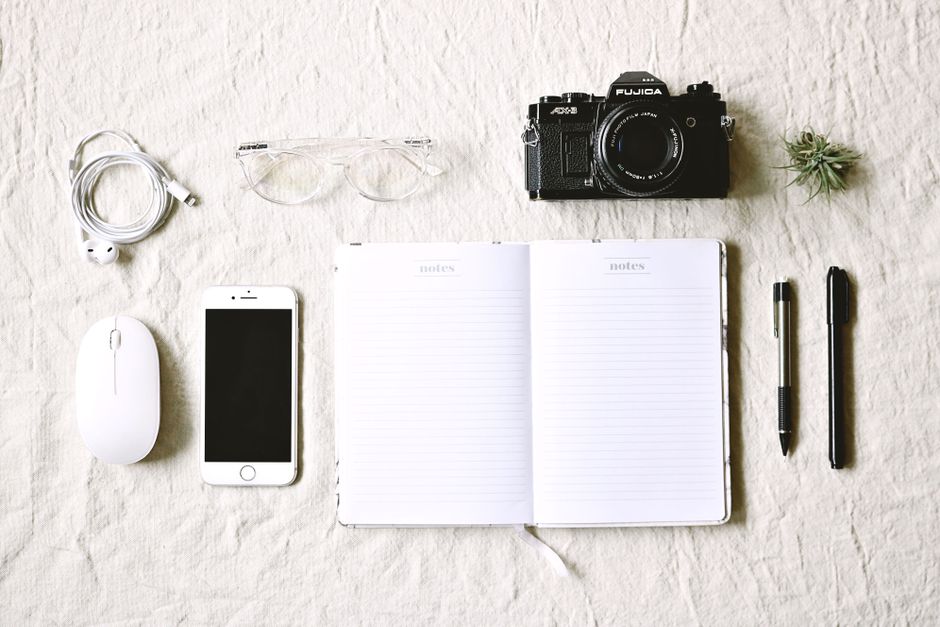
To avoid this pitfall, I now set a small routine before each session. I place my notebook directly in front of me, open to the last page I used, and keep a pen ready at hand. This simple action reduces the friction of starting. I also make it a point to put my phone in a drawer, out of sight, to minimize distractions. With my materials organized and within reach, I can focus on note-taking and reviewing concepts without the temptation of checking notifications.
Establishing this order of actions—gathering materials, opening the notebook, and stowing away distractions—creates a smoother transition into learning. Each time I skip this setup, I notice the same frustrating pattern: wasted time and a wandering mind.
Where the Routine Breaks Down
As I settle into my desk, the familiar pool of light from my desk lamp illuminates my scattered notes. I can feel the clock ticking down the time I have before bed, and yet there I am, flipping through disorganized sheets, losing focus. This simple oversight can turn my intended practice into a frustrating scavenger hunt.
The phone, resting just within reach, becomes a magnet for distraction. Even if I plan to avoid it, the temptation to check notifications is ever-present. I glance at the screen, and suddenly, my mind drifts away from the notes I intended to review. This is the first visible sign that my routine has derailed. Instead of diving into note-taking, I find myself scrolling through social media, losing precious minutes. When I do finally return to my materials, I realize I’ve wasted time that could have been spent solidifying my understanding of the concepts.
To counteract this drift, I’ve started implementing a small routine: I now place my notebook directly in front of me, open to the last page I used, and tuck my phone away in a drawer. This adjustment not only reduces the friction of starting but also sets a clear boundary for my focus.
Why This Failure Repeats
Returning to my desk after a long day, I often find myself fumbling through my materials, which leads to wasted time and frustration. Without a designated spot for my essential materials, I end up sifting through a cluttered stack of papers, which only heightens my anxiety. This chaos is compounded by the phone resting within reach, a constant temptation that pulls my focus away from the task at hand.
- No designated spot: My notes are scattered, making it difficult to find the right page quickly. A simple fix is to keep my notebook open to the last page I used, which allows me to dive right back into my review habit.
- No specific focus: I often start without a clear agenda, leading to aimless browsing. Setting a timer for 25 minutes with a specific goal in mind—like summarizing a chapter—helps maintain direction.
- Phone distractions: Allowing my phone to remain nearby invites distractions. I now tuck it away in a drawer before starting my study block, which significantly reduces the temptation to check notifications.
These friction points create a cycle of inefficiency. The hidden cause is often my own lack of preparation, which means I need to consciously create a more structured environment for my learning.
A Simple Correction to Change the Weak Point
A slightly different version of this problem appears in Practical Life Skills Us, where the sequence changes but the hidden drag feels familiar.
Returning to my desk after a long day, the glow of the desk lamp casts a warm circle around my scattered notes. This friction is exacerbated by my phone, which sits temptingly close, ready to pull my attention away. A straightforward adjustment can make a significant difference: before I start, I now open my notebook to the last page I used and place it prominently on my desk. This small act eliminates the wasted time searching for notes and sets a clear starting point for my practice block.
Once I have my notebook ready, I set a timer for 25 minutes, which helps me stay focused and limits distractions. With the notebook open and the timer ticking, I can concentrate on summarizing a chapter or working through practice problems without the urge to check my phone. If I feel the urge to reach for my device, I remind myself to stick to the plan: no distractions until the timer goes off.
What to Check Before the Phone Takes Over
If this pattern keeps repeating, Learning New Skills As extends the idea without leaving the niche.
Before diving into my notes, I take a moment to silence my phone and slide it into a drawer, far enough away to reduce temptation. This simple act creates a barrier that helps me focus on the task at hand.
Next, I scan my desk to ensure all my materials are organized. My notebook, pen, and any additional resources are within arm's reach. I open my notebook to the last page I used, marking it with a bright sticky note that reads "Start Here." This visible cue not only serves as a reminder of where to begin but also eliminates the frustrating moments of flipping through pages to find my place. With everything set, I can now start my practice block with a clear mind and the right materials ready.
What Changes Once That Fix Repeats
Instead of wasting the first ten minutes flipping through pages, I can dive directly into my notes. This small adjustment means that I can maximize the limited time I have after work, allowing me to focus on the material rather than searching for where I left off.
Each time I sit down at my desk, the familiar glow of the lamp casts a warm light over my organized materials. I can see my pen, notebook, and any additional resources laid out neatly. Before starting my practice block, I take a moment to set my timer for twenty minutes. Knowing that I have a defined period to work helps me resist the urge to check my phone, which now stays tucked away in a drawer.
As I begin to write, I notice that the flow of information is smoother. The sticky note acts as a visual anchor, reminding me of my starting point and eliminating the friction of indecision. I’m able to take notes more effectively, jotting down key points without interruption. The next time I sit down, I can expect to jump right into my practice block with confidence, ready to tackle the material without the previous distractions.
However, by simply placing a sticky note on my notebook's cover, I create a visual cue that directs my focus. This small adjustment not only reminds me of where to start but also helps me resist distractions. Each time I sit down, I open to the right page immediately, avoiding the frustrating search that used to consume my first few minutes.
With my materials ready and my timer set, I dive into my practice block with clarity. The act of writing down key points becomes seamless, and I find myself more engaged with the material.