Why Good Intentions Fail in Study Sessions: A Breakdown of Hidden Steps
As the clock ticks toward bedtime, the familiar urge to dive back into learning surfaces, but the task feels fuzzy. The pen sits poised, ready to jot down insights, yet the transition from the chaos of the day to focused learning feels daunting.
One common pitfall during this transition is the tendency to overlook a quick review of previously covered material. Without taking a moment to skim through the last few pages, the context may slip away, leaving gaps in understanding. This small check can make a significant difference, as it sets the stage for pulling one practice set forward from the notes. A timer sits nearby, waiting to signal the start of a focused practice block, but without that initial review habit, the session risks becoming another aimless attempt rather than a productive dive back into learning.
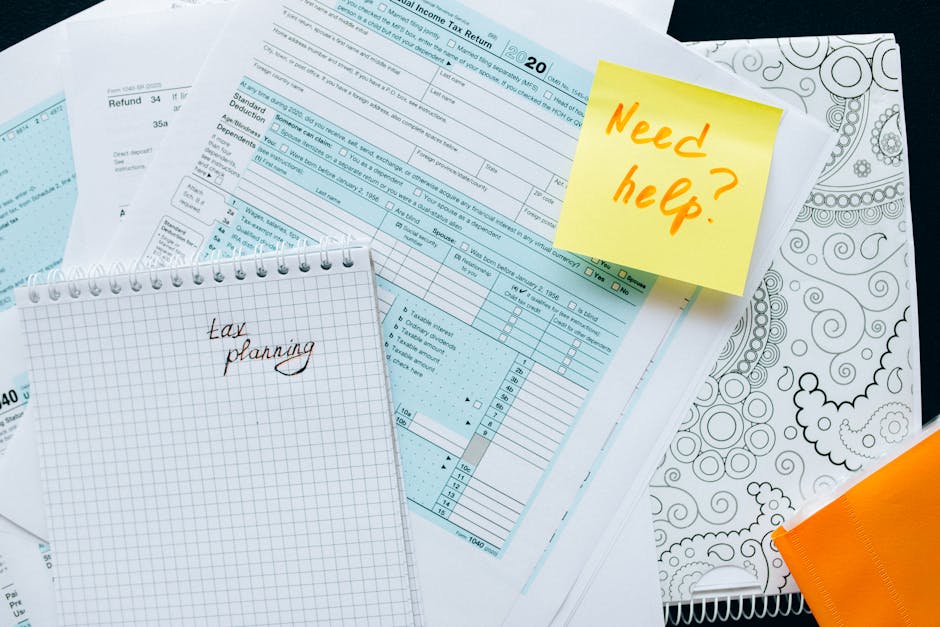
The Setup That Seems Simple
As the desk lamp casts a warm glow over the cluttered surface, the familiar sight of scattered notes, a well-used pen, and a timer creates a sense of urgency. The notes are open, filled with scribbles and highlighted sections, yet the task ahead feels elusive. The limited time—perhaps only twenty minutes before the next obligation—adds pressure. It’s easy to feel overwhelmed by the sheer amount of information waiting to be processed.
Before diving in, take a moment to pull one practice set forward from the notes. This action serves as a tangible anchor, helping to clarify focus amidst the chaos. Instead of jumping straight into new material, skim through the last few pages to refresh your memory. This quick review habit can illuminate key points and jog your memory about what was previously learned. The timer, a constant reminder of the ticking clock, can be set to signal the start of a focused practice block. Without this initial step, the session risks becoming a frustrating attempt to grasp concepts that may have faded during the break. The desk, filled with potential yet cluttered with distractions, reflects the challenge of transitioning back into effective learning. Steps That Get Overlooked Re-entering your notes after a gap can feel like stepping into a fog. The desk lamp casts a warm glow over your open notebook, but the right page is elusive. You might assume flipping through the pages will be quick, but it often takes longer than expected. This delay can sap your focus and make it harder to dive back into the material.
- Open your notebook to the last page you worked on; this can take precious minutes.
- Set a timer before starting; skipping this can lead to distractions creeping in.
- Pull one practice set forward to clarify what you need to focus on.
For instance, if you skip setting the timer, you might find yourself distracted by the ticking clock, worried about the time slipping away. Instead, take a moment to pull that practice set forward first. This tangible action can anchor your thoughts and provide a clear starting point, making it easier to transition back into learning.
The Restart Point That Causes Friction
Returning to an open notebook on your desk can feel deceptively simple, yet the specific task often remains fuzzy. The pages are filled with notes, but without a clear focus, it’s easy to lose momentum. You might find yourself staring at the last entry, unsure of what to tackle next. This uncertainty can lead to wasted minutes as you flip through pages, searching for the right section. If you don’t have a clear entry point, it can feel like trying to navigate through fog.
Additionally, distractions from notifications on your phone or clutter on your desk can quickly derail your concentration. The desk lamp illuminates your materials, but if your phone buzzes, your attention shifts. The clutter around your workspace can also contribute to this friction; a disorganized desk can make it harder to focus on your notes.
To counteract this, establish a small routine before diving back in. First, pull one practice set forward from your notes. This action not only gives you a tangible starting point but also helps clarify what you need to focus on. This simple step can create a sense of urgency and keep distractions at bay. If you skip this, you might find yourself drifting, unsure of how long you’ve been studying or what you still need to cover. By anchoring your session with these actions, you can streamline the transition back into your learning, mitigating the friction that often arises at the restart point.
A Clearer Sequence for Study Success
A slightly different version of this problem appears in Learning New Skills As, where the sequence changes but the hidden drag feels familiar.
Returning to your notes after a break can feel like stepping into a fog. The desk lamp casts a warm glow over your open notebook, yet the words seem jumbled, and the task ahead feels fuzzy. Instead of diving headfirst into the material, take a moment to pull one practice set forward. This action not only gives you a clear starting point but also helps to clarify your immediate focus.
Once you've selected that practice set, set a timer for five minutes to review a short target. This could be a specific concept or a problem type you want to master. The timer creates a sense of urgency, prompting you to engage with the material actively. As you glance at the notes, you might notice that the key definitions and examples are more accessible now, allowing you to transition smoothly into the practice.
Start by pulling the practice set, then review your target while the timer runs. After that, take a moment to jot down any questions that arise in your notebook. This sequence not only structures your session but also helps prevent that disorienting restart point. If you skip this order, you might find yourself aimlessly flipping through pages, losing precious minutes and momentum.
A tidy workspace can also help; ensure your notebook is open to the right page and your pen is ready.
What Runs More Smoothly After That
If this pattern keeps repeating, Effective Note Taking Methods extends the idea without leaving the niche.
Returning to your notes can feel disorienting, especially when the task at hand seems fuzzy. Sitting at your desk, under the warm glow of your lamp, you might notice your notebook open to a section you haven’t looked at in a while.
Instead of diving straight into practice problems, take a moment to pull forward one specific practice set. Place it on top of your open notes, ensuring it’s the first thing you see. This small action creates a focal point, making it easier to remember what you need to work on. Set a timer for five minutes, focusing solely on reviewing the definitions or concepts related to that set. This structured approach minimizes the risk of aimlessly flipping through pages, which can waste time and disrupt your flow.
As you engage with your notes, you’ll likely find that certain concepts click into place more easily, thanks to the targeted review. You might even jot down a few questions in your notebook about areas that still feel unclear. This not only reinforces your understanding but also sets you up for a more productive practice block.
After a busy day, returning to your notes can feel overwhelming, especially if you’ve lost track of where to begin. With your desk lamp casting a warm glow over your open notebook, take a moment to identify a specific section that you want to focus on. Pull out a practice set or a few key definitions and place them prominently on top of your notes. This simple action shifts your attention directly to what needs revisiting, rather than getting lost in the broader material.
As you settle into your chair, set a timer for ten minutes. During this short window, concentrate on reviewing those pulled items. This focused approach not only helps clarify your understanding but also primes your mind for deeper engagement when you dive into practice problems.


