Reclaiming Study Time: Navigating the Hurdles of Short Learning Blocks
As the clock ticks down to the end of another long workday, the desk is cluttered with notes, a half-opened notebook, and a pen poised for action. The margin of your notebook is filled with hastily scribbled reminders, but the exact practice set you need feels just out of reach. The restart point isn’t obvious, and the momentum you hoped to build starts to dwindle.
You know you should be diving into a practice block, but instead, you’re flipping back and forth, trying to remember where you left off. The next time you sit down, consider pulling that practice set forward and marking your restart point clearly in the margin—small adjustments can make a significant difference in reclaiming those lost minutes. The First Ten Minutes That Disappear Your desk is cluttered with notes, a half-empty water glass precariously perched beside a stack of papers. You flip through the pages, trying to remember where you left off, but the margin is filled with hastily scribbled reminders that lead you in circles.
The timer ticks away, and you can feel the pressure mounting.
This small adjustment can save you precious minutes.
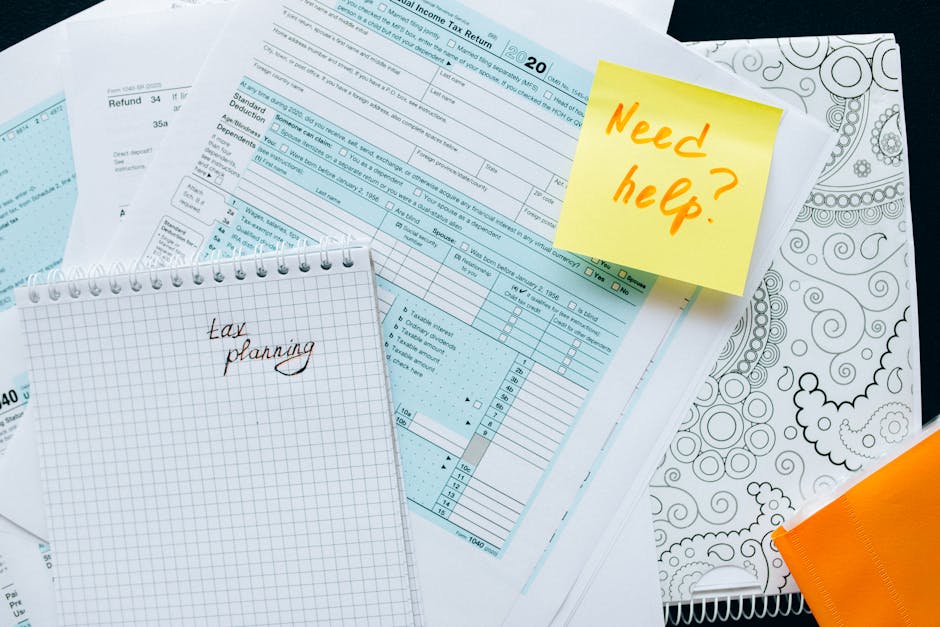
Where the Routine Begins to Slip
Your notebook lies open on the desk, but the margin is cluttered with notes from previous sessions, making it hard to find where to dive back in. Instead of jumping right into the material, you spend the first few minutes flipping through pages, trying to locate the last point you studied. This moment of confusion eats away at your focus, and before you know it, the first ten minutes vanish.
The scattered notes and lack of a clear restart point mean you’re not just wasting time; you’re also losing the thread of what you intended to practice. The absence of a simple marker in the margin to indicate where you left off creates a frustrating barrier. You could have easily marked that spot with a pen, but instead, you’re left scrambling, feeling the pressure of the ticking timer and the limited window you have after work.
Next time, consider placing a small sticky note or a clear marker in your notebook at the end of each session. By doing this, you’ll reclaim those lost minutes and maintain your focus throughout your practice block, turning those short sessions into more productive learning experiences.
A Simple Adjustment to Regain Focus
A slightly different version of this problem appears in Practical Life Skills Us, where the sequence changes but the hidden drag feels familiar.
Without a clear marker in your notebook, the first few minutes often slip away as you search for the right page. A simple underline or a small sticky note can indicate your last point, making it easy to dive back in without losing momentum.
- Pull the practice set forward and place it on top of your notes to avoid unnecessary searching.
- Use a timer set for 25 minutes to create a focused practice block.
- Check your notes for the last completed exercise before each session begins.
When you sit down at your desk, take a moment to check the margin of your notebook for that restart marker. This small sequence change can save you precious minutes and help you maintain your focus.
How This Change Affects the Next Study Block
If this pattern keeps repeating, Learning New Skills As extends the idea without leaving the niche.
Instead of spending the first few minutes rifling through pages, you can immediately pick up where you left off. This small detail—a simple underline or a sticky note—acts as a guidepost, allowing you to dive back into your notes with ease. The time saved from searching can be redirected into actual learning.
When you sit down at your desk after a long day, the first thing to do is check that margin for your restart marker. You’ll find it right there, signaling the last completed exercise. This quick check not only saves time but also helps maintain your focus.
As you settle into your practice block, set a timer for 25 minutes. This creates a structured environment where you can concentrate fully on your notes. The previous session’s preparation pays off; you’re not just reviewing but actively engaging with the content, leading to a deeper understanding.
If you find yourself fumbling through your notebook, searching for the last page you worked on, it’s time to implement a simple yet effective solution. Use a bright sticky note or a colored pen to mark your last completed exercise in the margin. This visual cue not only saves precious minutes but also helps you regain focus quickly, turning what could be a frustrating search into a seamless transition.
This ensures that you’re not just flipping through notes aimlessly but are instead diving straight into active learning. Next time you sit down, check that margin first, and let it guide you into productive learning without the unnecessary friction.
