Navigating Lifelong Learning: Avoiding Burnout in Real Life
As the desk lamp casts a warm glow over the scattered notes and a half-opened notebook, the self-learner settles into a familiar routine. With the timer set for thirty minutes, the learner flips through pages filled with practice problems and key concepts, ready to dive into a practice block. However, the phone, resting just within reach, becomes an ever-present temptation, its notifications quietly buzzing in the background. One moment of distraction can easily shift the focus from reviewing essential material to mindlessly scrolling through social media.
This drift often begins when a quick glance at the phone turns into a ten-minute detour. The self-learner realizes that without a clear plan to mark the restart point, it’s all too easy to lose track of time and purpose. Having one page ready before the session starts can serve as a crucial checkpoint, ensuring that the learner has a tangible point to return to when distractions arise.
The Moment That Sets the Tone
As the sun dips below the horizon, the desk is a familiar sight: scattered notes, a half-empty water glass, and a flickering desk lamp casting a warm glow. It’s a chaotic environment, yet it feels like home to the self-learner. However, the phone, resting just beyond the edge of the clutter, buzzes with notifications, each vibration a whisper tempting the learner to stray into the depths of distraction.
Settling in, the learner opens the notebook, flipping to a page filled with practice problems, but the lure of the phone is strong. Just a quick check, the mind rationalizes, but that glance quickly morphs into a dive down the rabbit hole of social media, where minutes dissolve into nothingness. To combat this drift, marking a clear restart point becomes essential. Before the session, the learner could set the notebook on a specific page, perhaps one with key formulas or concepts, acting as a tangible anchor to return to when distractions arise.
The challenge lies in resisting the pull of the phone while simultaneously harnessing the focus needed to engage with the material.
When Re-entry Goes Awry
The desk lamp casts a focused pool of light over the open notebook, filled with neatly written notes and practice problems. However, in the rush to begin, they neglect to mark a clear restart point in their notes. Without a designated page to anchor their focus, confusion sets in as they flip through the pages, searching for where they left off.
As the minutes tick by, the phone, still within reach, buzzes with notifications. The learner's attention wavers, and the temptation to check the screen grows stronger. The absence of that clear restart point made it all too easy to lose track of time and purpose. Instead of engaging with the material, the session devolves into aimless browsing, leading to frustration and a sense of burnout.
To counter this drift in future sessions, establishing a simple routine can help.
This same friction shows up again in Learning New Skills As, especially when the day tightens unexpectedly.
Quick Fixes for a Smoother Transition
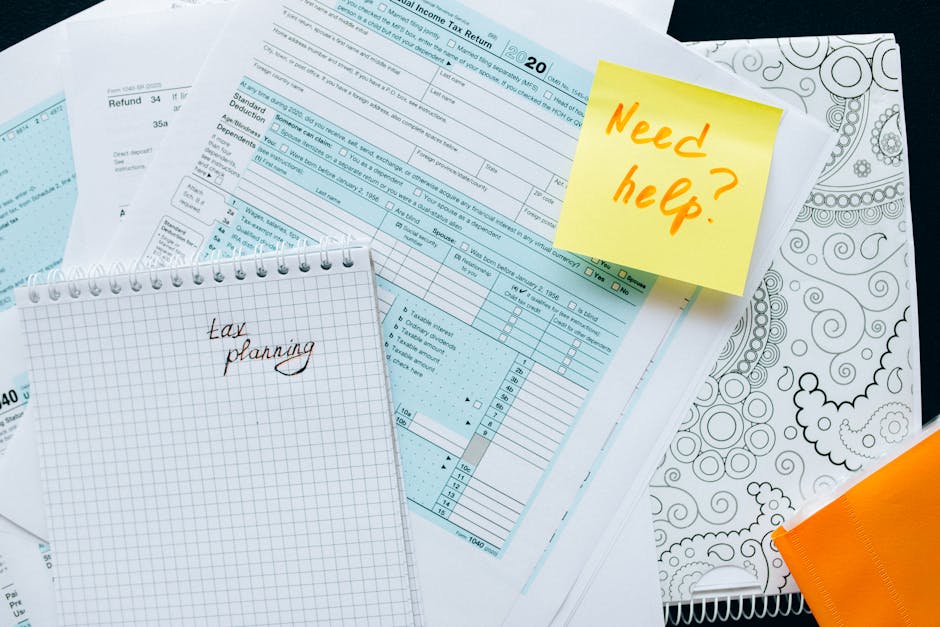
Before diving in, take a moment to prepare this page, marking it with a clear header or a sticky note to signal where to begin. This small act anchors your focus, making it easier to resist distractions.
- Set a timer for 25 minutes to create a focused study block, ensuring you stay on task without drifting into the online rabbit hole.
- Keep your notebook open to the prepared page, allowing for a seamless transition back into your notes without flipping through multiple pages.
- When the timer goes off, take a short break, but resist the urge to check your phone; instead, jot down a quick note about what you need to focus on next.
Building a Repeatable Study Pattern
If this pattern keeps repeating, Practical Life Skills Us extends the idea without leaving the niche.
After a long day at work, the desk lamp casts a warm glow over my notebook, signaling it’s time to dive back into my learning. The phone, usually a source of distraction, sits out of reach on the shelf, a deliberate choice to minimize temptation. This simple act of placing it away helps me resist the urge to scroll through notifications and keeps my focus sharp.
This visual cue acts as an anchor, guiding my attention back to the material without flipping through multiple pages. I set a timer for 25 minutes, creating a structured practice block that encourages me to stay on task. The ticking countdown serves as a reminder that I have a limited window to absorb new information.
As I begin, I quickly jot down key points from my notes, reinforcing my review habit.
This preparation helps me avoid the drift into random scrolling that often derails my review habit. With my phone out of reach, I can immerse myself in the material without the pull of notifications.
Next time you sit down to learn, consider marking your restart point clearly in your notes. This small action can serve as a mental anchor, reminding you where to pick up without wasting time searching through pages.


